
Let’s be honest — when it comes to health and wellness, there’s a lot of advice floating around. Some of it sounds convincing, some of it sounds… a little out there. (Eat in the dark with music to eat less? What is this, a romantic dinner or a diet plan?)
In this post, we’re cutting through the noise. No gimmicks, no wild claims just real talk about what might actually help you live a healthier life, and what’s better left in your Instagram scroll.
💡 Health Myth 1: “Dim the Lights and Play Music to Eat Less”
The theory? A relaxing ambiance makes you more mindful while eating, leading to smaller portions. Sounds kind of nice in theory — but let’s be real: unless a bear bursts through the door mid-meal, most of us won’t be distracted enough to forget what’s on our plate.
Verdict: Mostly a myth. Mindfulness helps, but lighting and music alone won’t revolutionize your diet.
☕ Health Tip or Hype: “Drink Black Coffee to Boost Your Metabolism”
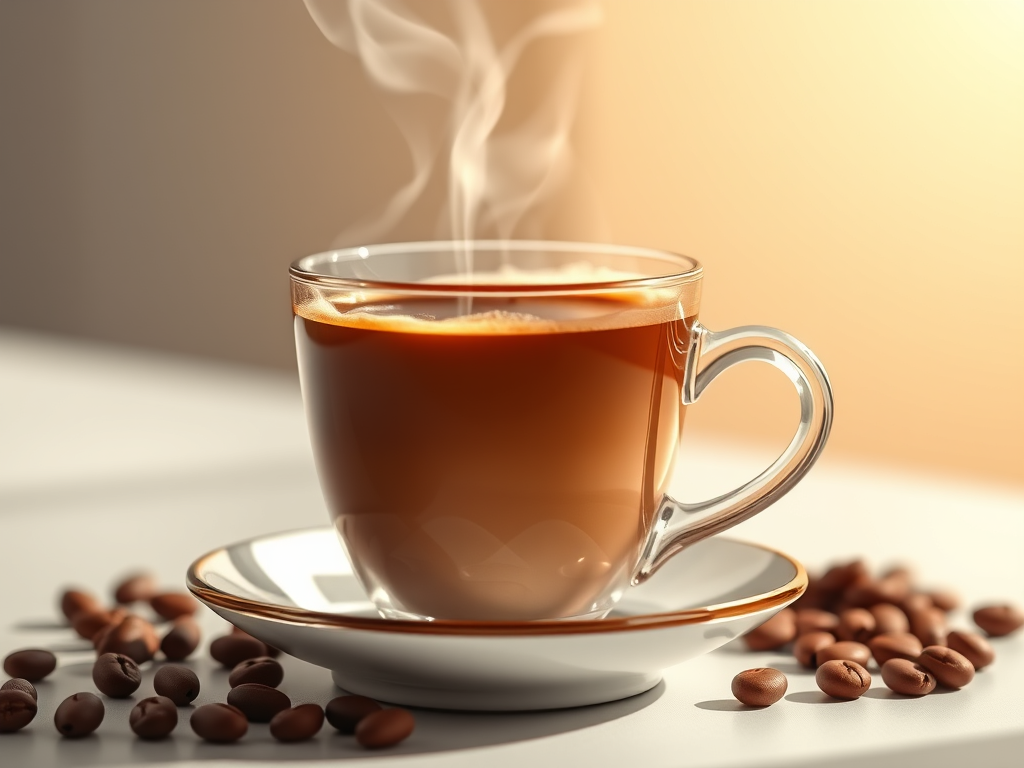
Here’s the deal: caffeine can slightly boost your metabolism, but not by much. The real benefit of black coffee? It’s calorie-free — no sugar, no cream, just straight-up energy.
If you’re swapping your caramel latte for a plain brew, you’re definitely on the right track.
Verdict: Minor metabolism help, major calorie savings.
🪞 Health Myth 2: “Hang a Mirror While You Eat to Eat Less”
Some experts claim watching yourself eat can make you more aware of your choices. But honestly, unless you enjoy awkward meals with your reflection, this tip might be more weird than effective.
Verdict: Awkward, not effective. Pass.
🍽️ Health Hack That Works: “Use Smaller Plates”
This one actually holds up. When your brain sees a full plate, it registers “enough food,” even if the portion is smaller. It’s a simple psychological trick — and it works.
Verdict: A subtle but smart trick to manage portions.
⏰ Trend to Try (With Caution): “Intermittent Fasting”
Intermittent fasting has gained massive popularity — and for some, it works wonders. You eat during a set window, which can naturally reduce your calorie intake. But it’s not for everyone. If it causes stress or a negative relationship with food, it’s okay to skip it.
Verdict: Can be helpful, but only if it suits your lifestyle and mindset.
🍵 Health Hype: “Green Tea Burns Fat”
Green tea is healthy, no doubt — it’s packed with antioxidants, hydrates you, and is a great alternative to sugary drinks. But will it melt fat? Not quite. It’s not magic, just a smart beverage choice.
Verdict: Great drink, not a miracle worker.
🏃 Real Deal: “HIIT for Maximum Burn”
High-Intensity Interval Training (HIIT) isn’t just trendy — it’s scientifically solid. Short bursts of intense effort followed by rest can improve heart health, burn calories, and build endurance. Plus, it’s efficient, making it great for busy schedules.
Verdict: A top-tier fitness strategy with lasting benefits.
🧘♀️ The Bottom Line: Find What Works for You
Not all health tips are bogus — some just need a reality check. The trick is to find what works for you. Don’t chase every trend. Focus on balanced habits, a bit of movement, and smart choices that feel sustainable for your life.
So next time you hear a too-good-to-be-true health hack, ask yourself: is it actually helpful… or just hype?
Cheers to smarter choices and fewer mirrors at dinner. 🥂
 Style Inspiration And Grow Money - Loua Lau Lifestyle
Leave a comment